Advanced Surgeries.
Dr Munesh provides surgical evaluation and treatment across laparoscopic, general, GI, proctology and selected advanced surgical procedures, with treatment planned around each patient's condition.
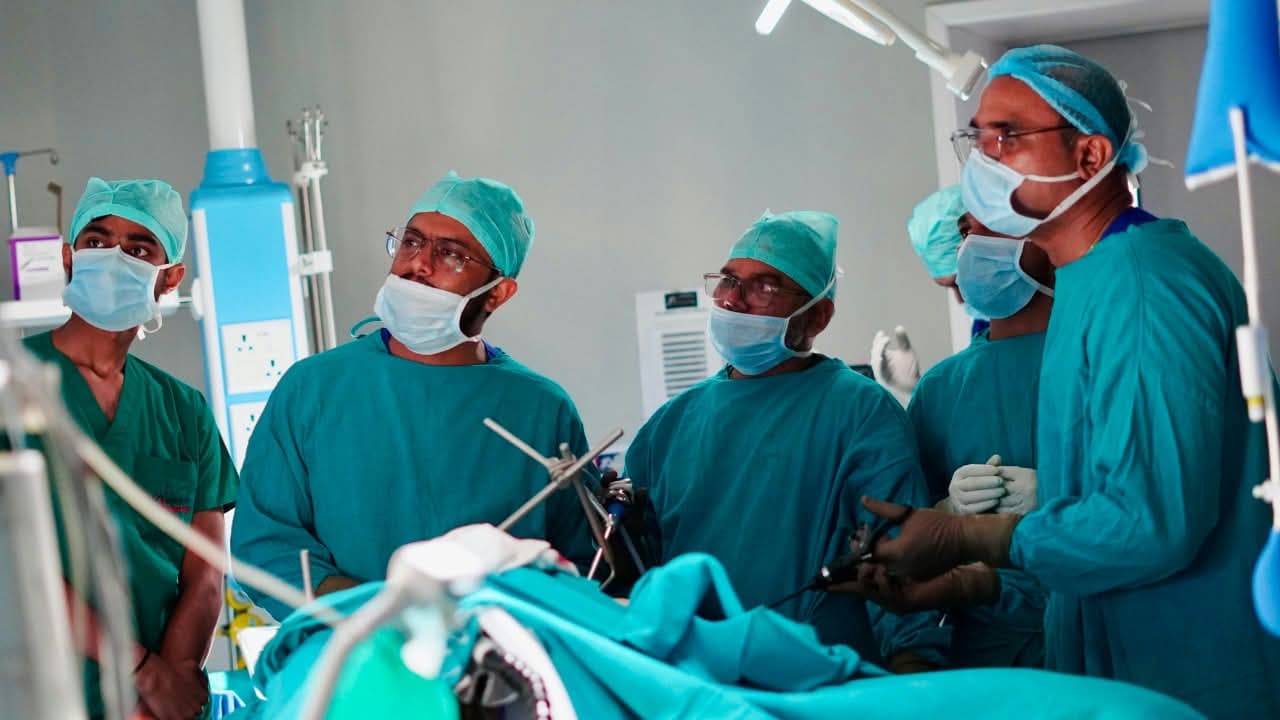
Minimally invasive
when appropriate.
 01
01MINIMALLY INVASIVE
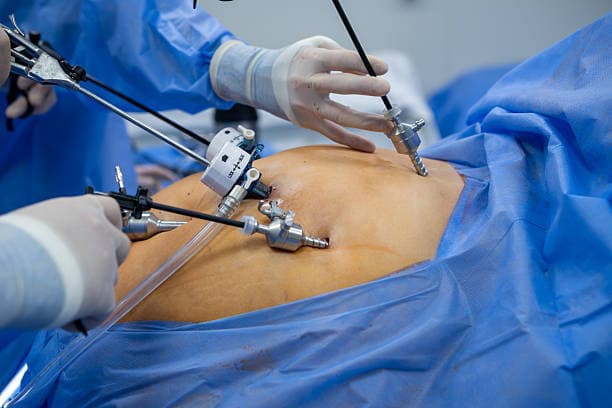
Single Incision Laparoscopic Surgery
Minimally invasive surgical procedures using small incisions when clinically appropriate.
 02
02CORE SURGICAL CARE
GI Surgery
Evaluation and surgical management of a wide range of abdominal and general surgical conditions.
 03
03PROCTOLOGY
Proctology
Specialised evaluation and treatment of conditions affecting the anus, rectum and surrounding areas.
 04
04ADVANCED SURGERY
Robotic & Advanced Surgery
Advanced surgical techniques may be considered when they offer an appropriate option for the patient's condition.
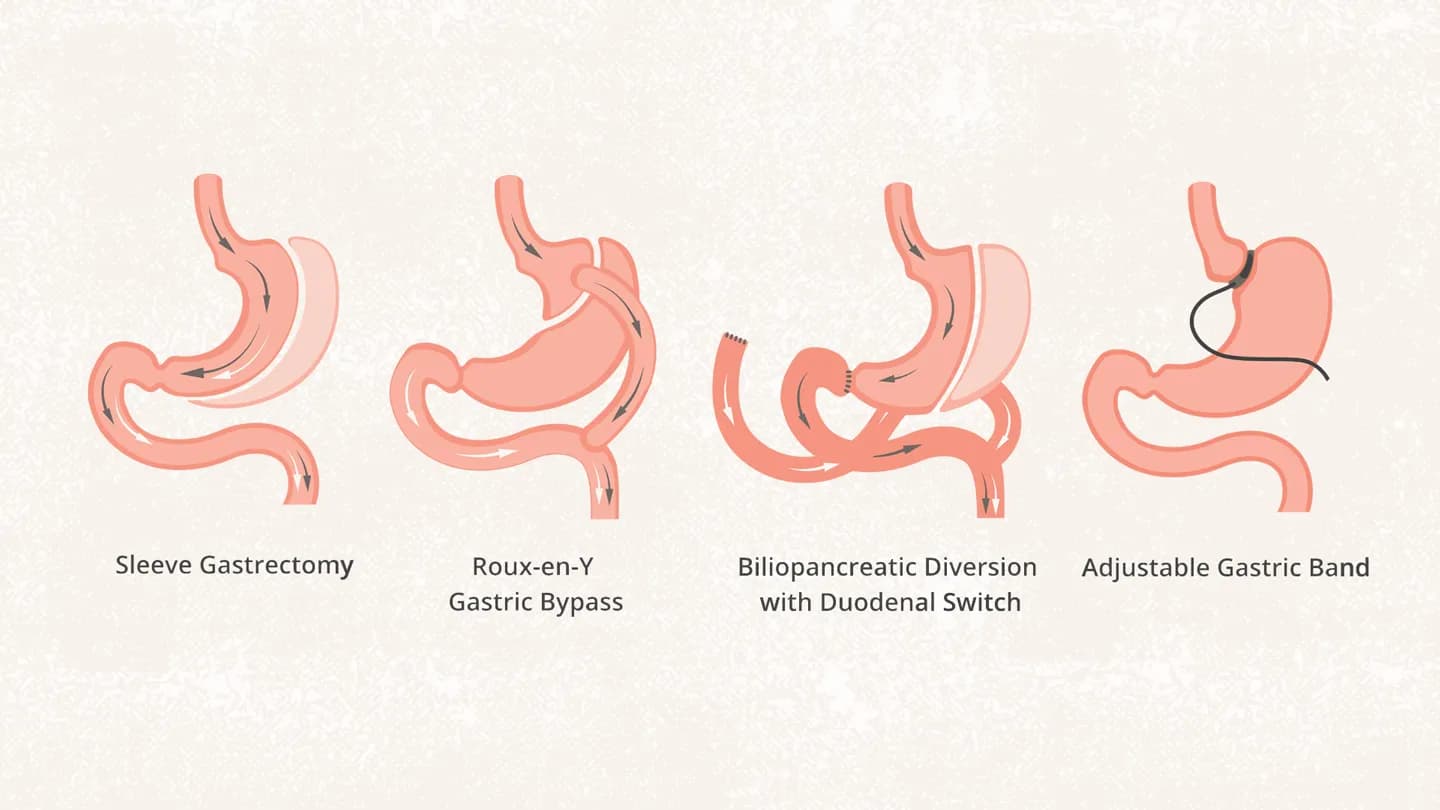
Bariatric &Weight-Loss Surgery
Bariatric surgery may be considered for appropriately selected patients after comprehensive evaluation and discussion of treatment options.
→Questions about surgery?
What types of surgery does Dr Munesh perform?+
Dr Munesh provides surgical evaluation and treatment across general surgery, laparoscopic surgery, GI surgery, proctology and selected advanced procedures including robotic and bariatric surgery.
What conditions can be treated with laparoscopic surgery?+
Laparoscopic techniques may be used for several abdominal and general surgical conditions, including gallbladder disease, hernia and appendicitis, depending on the patient's clinical condition and suitability for minimally invasive surgery.
Is laparoscopic surgery suitable for every patient?+
Not necessarily. The appropriate surgical approach depends on the condition, its severity, medical history, anatomy, previous procedures and overall clinical assessment.
What conditions are treated under proctology?+
Proctology commonly involves conditions such as piles, anal fissure, anal fistula and pilonidal sinus, among other anorectal problems.
When is surgery recommended for a patient?+
Surgery is considered when it is clinically appropriate based on the diagnosis, symptoms, severity of the condition and response to other treatment options. The decision is made after proper evaluation.
Will surgery always be required?+
No. Many conditions can initially be managed with medicines, lifestyle measures or other non-surgical treatments. Surgery is considered when it is appropriate for the individual patient's condition.
What happens during a surgical consultation?+
The consultation generally includes discussion of symptoms and medical history, clinical examination and review of relevant investigations. Treatment options, potential benefits, risks and the expected course of care can then be discussed.
How do I know which type of surgery is right for me?+
The choice of procedure depends on the diagnosis, severity of disease, anatomy, overall health and other individual factors. Dr Munesh can discuss the suitable options after evaluating your condition.
What is the recovery time after surgery?+
Recovery varies significantly depending on the type of surgery, the patient's health and the complexity of the procedure. During consultation, you can discuss the expected recovery period, activity restrictions and follow-up requirements for your specific procedure.
What are the benefits of minimally invasive surgery?+
When appropriate, minimally invasive surgery may involve smaller incisions and may support a faster recovery compared with some conventional approaches. Whether it offers an advantage depends on the specific procedure and patient.
Does Dr Munesh perform robotic surgery?+
Robotic surgery is among the advanced surgical approaches offered for selected cases. Whether robotic surgery is appropriate depends on the patient's condition, procedure and clinical assessment.
What should I bring for my surgical consultation?+
It is helpful to bring previous medical reports, scans, investigation results, medication details and records of earlier surgeries or treatments that may be relevant to your current condition.
SURGICAL CONSULTATION