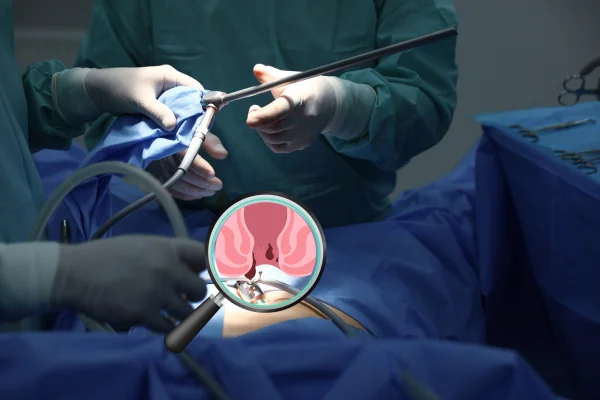
Piles
Swollen veins around the anus or lower rectum that may cause bleeding, discomfort, itching, swelling or a lump.
Proctology involves the assessment and management of conditions affecting the anus, rectum and surrounding areas. Treatment depends on the diagnosis, severity and individual clinical circumstances.
Conditions Treated
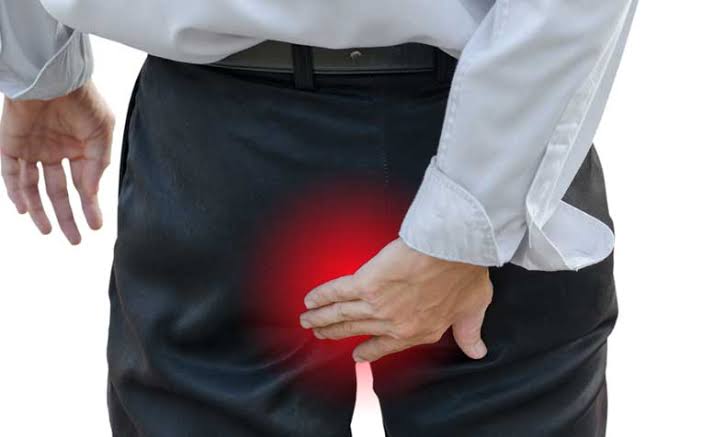
____________________Swollen veins around the anus or lower rectum that may cause bleeding, discomfort, itching, swelling or a lump.
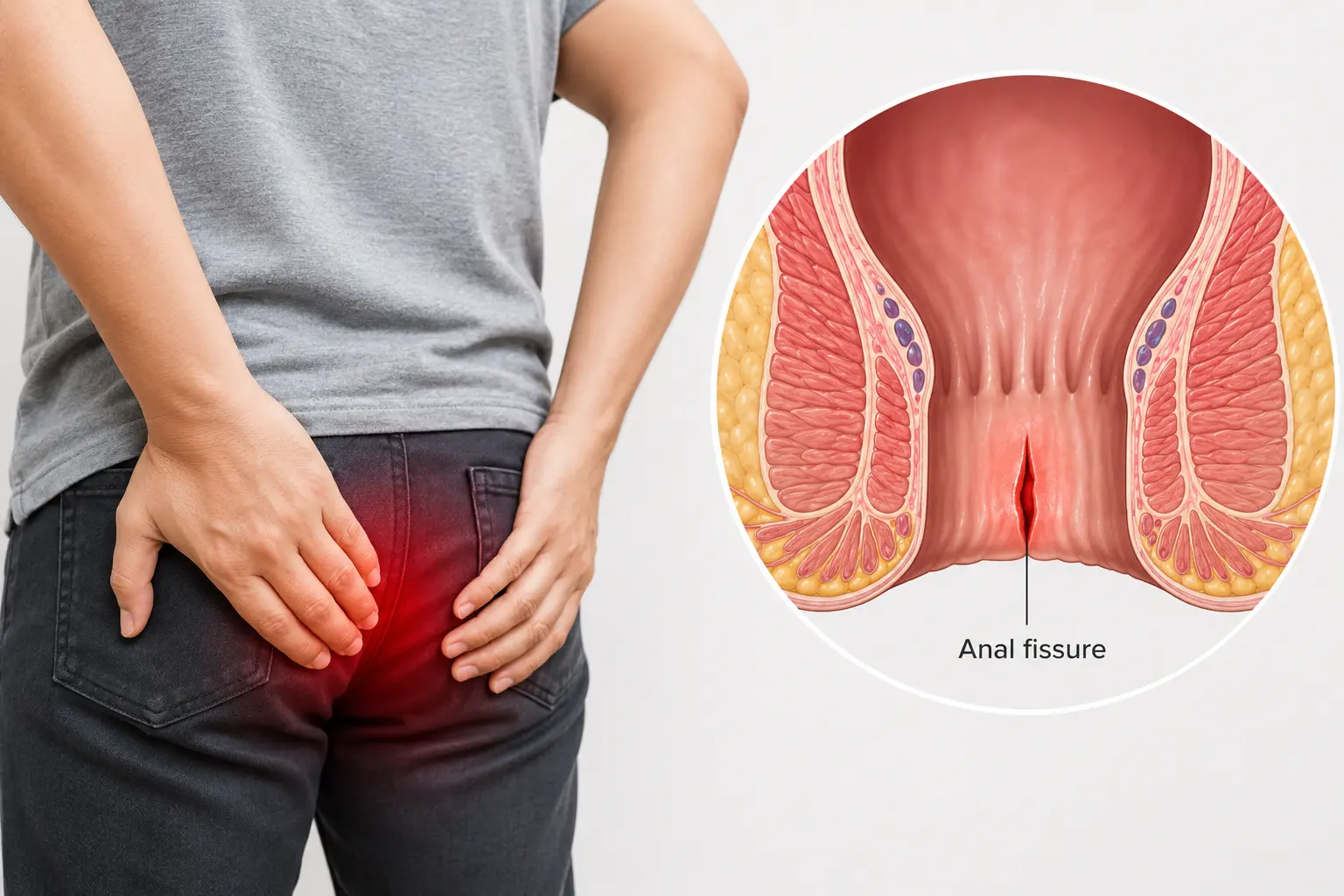
A tear in the lining of the anus that may cause sharp pain during or after passing stool and sometimes bleeding.
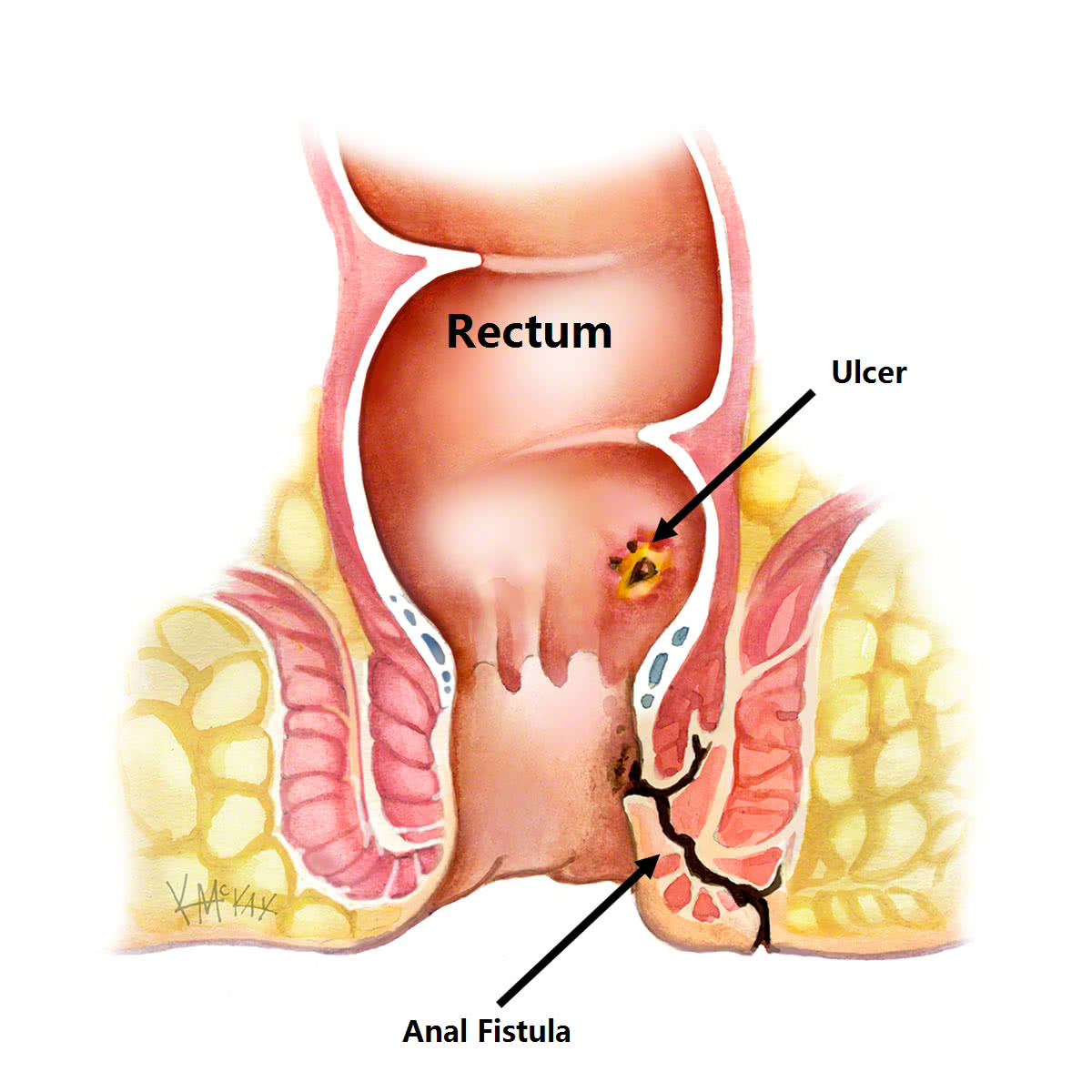
An abnormal tract between the anal canal and surrounding skin that may cause recurrent swelling, pain or discharge.
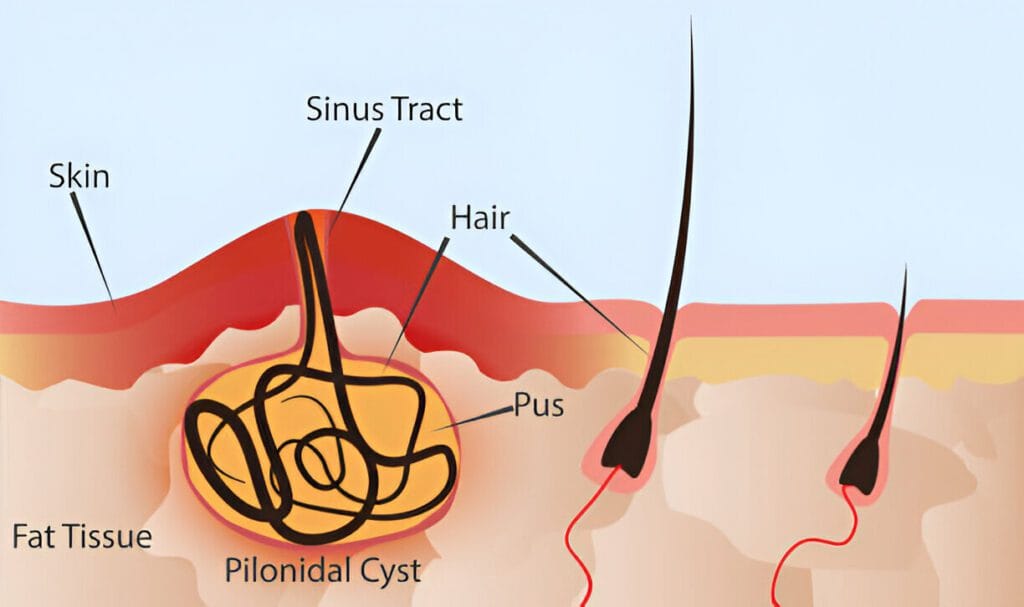
A condition affecting the skin and tissues around the cleft of the buttocks that may cause pain, swelling or recurrent discharge.
WHEN TO SEEK EVALUATION
Anal or rectal symptoms can have several possible causes. Persistent bleeding, pain, swelling, discharge or recurrent symptoms should be assessed rather than self-diagnosed.
Persistent pain or discomfort
Bleeding during bowel movements
Recurrent swelling or a lump
Discharge around the anus
Symptoms that repeatedly return
FAQ
Proctology involves conditions affecting the anus, rectum and surrounding areas. Common conditions include piles, anal fissure, anal fistula and pilonidal sinus.
Piles may cause bleeding during bowel movements, itching, discomfort, swelling or a lump around the anus. Persistent or recurrent symptoms should be clinically evaluated.
No. Treatment depends on the type and severity of piles and the patient's symptoms. Some cases can be managed conservatively, while others may require a procedure or surgery.
An anal fissure is a tear in the lining of the anus. It commonly causes sharp or burning pain during or after passing stool and may sometimes cause bleeding.
An anal fistula is an abnormal connection between the anal canal and the skin near the anus. It may present with recurrent swelling, pain or discharge.
Persistent or recurrent anal pain, bleeding, swelling, discharge or a lump should be evaluated by a qualified doctor.
The consultation generally includes discussion of symptoms and medical history followed by an appropriate clinical examination. Further tests may be recommended when necessary.
Yes. A second opinion can help you understand your diagnosis, treatment options and the potential benefits and risks of different approaches.
NEED SPECIALIST EVALUATION?