Obesity
Obesity is a complex health condition that may affect overall health and can be associated with diabetes, high blood pressure, sleep-related problems and other medical conditions.
Bariatric surgery involves surgical approaches to weight management for appropriately selected patients. Treatment decisions depend on health status, associated conditions, previous weight-management efforts and individual clinical circumstances.
CONDITIONS & PROCEDURES
_______________________0 _______Obesity is a complex health condition that may affect overall health and can be associated with diabetes, high blood pressure, sleep-related problems and other medical conditions.

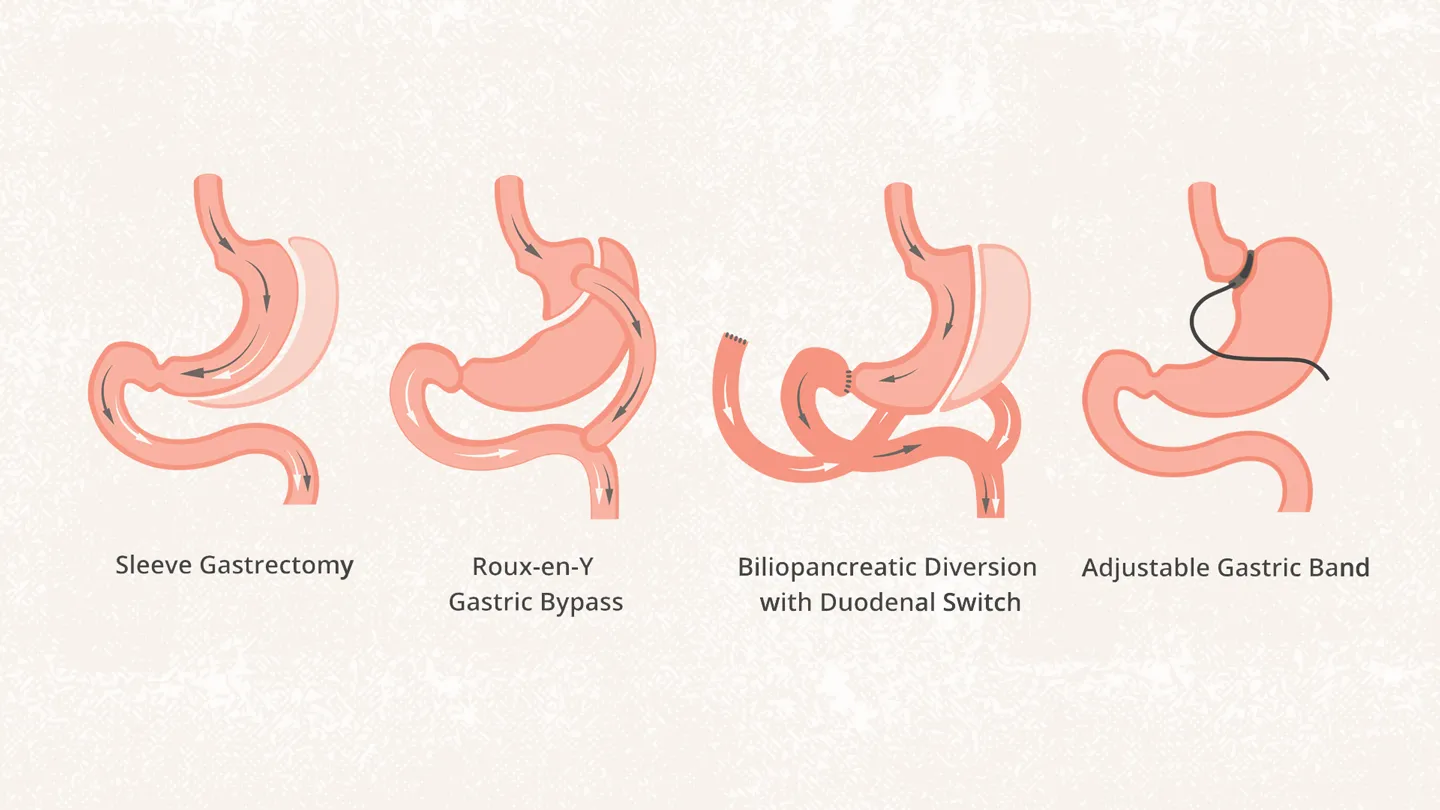
A surgical weight-loss procedure in which a portion of the stomach is removed to create a smaller stomach. Suitability depends on individual clinical factors and evaluation.

A bariatric procedure that changes the pathway of food through the digestive system and can support significant weight loss in appropriately selected patients.

Bariatric surgery may be considered in selected patients with obesity and associated health conditions when appropriate non-surgical management has not achieved sufficient results.
WHEN TO SEEK EVALUATION
Difficulty achieving sustained weight loss
Obesity affecting daily activities or quality of life
Diabetes or blood sugar-related concerns
High blood pressure or other obesity-related conditions
Weight that remains difficult to manage despite appropriate efforts
FAQ
Bariatric surgery refers to surgical procedures designed to help appropriately selected patients achieve significant and sustained weight loss. The choice of procedure depends on factors such as health status, weight-related conditions, previous treatment and individual clinical assessment.
Bariatric surgery may be considered for carefully selected patients with obesity, particularly when obesity is affecting health or when appropriate non-surgical measures have not provided sufficient benefit. Eligibility requires individual medical evaluation.
Sleeve gastrectomy involves removing a substantial portion of the stomach so that the remaining stomach has a smaller sleeve-like shape. It is one of the commonly performed bariatric procedures.
Gastric bypass is a bariatric procedure that creates a smaller stomach pouch and changes the route food takes through part of the digestive system. It can help with weight loss and may have metabolic benefits in appropriately selected patients.
No. In appropriately selected patients, bariatric surgery can also help improve or control obesity-related health conditions. The potential benefits and risks vary between individuals and should be discussed during consultation.
Yes. Bariatric surgery is part of a broader long-term weight-management plan. Dietary changes, physical activity, nutritional monitoring and regular medical follow-up are important after surgery.
The appropriate procedure depends on several factors, including body weight, associated medical conditions, eating patterns, previous treatments, nutritional status and overall health. The options can be discussed after a detailed evaluation.
Yes. A second opinion can help you understand your diagnosis, eligibility, available surgical options, expected benefits, possible risks and the long-term commitments involved in bariatric treatment.
NEED SPECIALIST EVALUATION?
Arrange a consultation to discuss your weight-related concerns, treatment options and whether bariatric surgery may be appropriate for you.