Proctology

Piles

Diagnosis and treatment of piles or haemorrhoids with appropriate medical, procedural or surgical options.

Piles medical treatment

What is Piles?

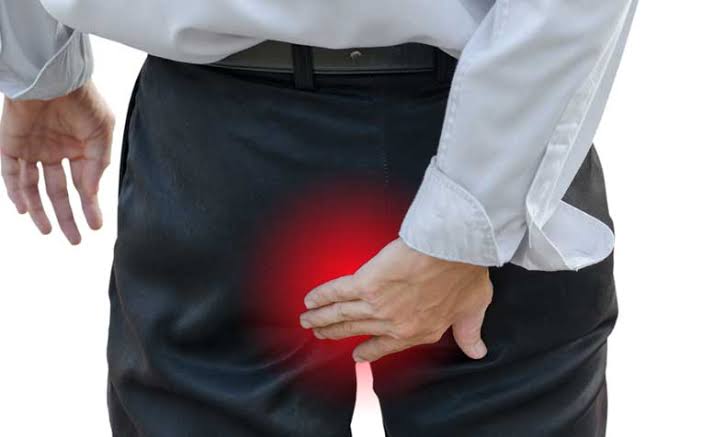
Piles, also called haemorrhoids, are swollen blood vessels in and around the lower rectum and anus. They are common and can affect people of different ages.

Symptoms may include bright red bleeding during bowel movements, itching, discomfort, swelling or a lump around the anus.

Piles do not always require surgery. Treatment depends on the type and severity of the piles and how much they are affecting the patient.

Changes in bowel habits, medicines and other treatments may help some patients, while advanced or persistent piles may require a procedure or surgery.

Because rectal bleeding can have other causes, persistent or unexplained bleeding should be medically evaluated.

Have Questions About Your Condition?

Book Consultation →

Frequently Asked Questions

01What are piles?+

Piles, or haemorrhoids, are swollen blood vessels in and around the lower rectum and anus. They can cause bleeding, itching, swelling or discomfort.

02Can piles be treated without surgery?+

Yes. Some piles improve with better bowel habits, dietary changes, medicines or other non-surgical treatments. The right treatment depends on the severity.

03Do all piles need surgery?+

No. Surgery is not required for every patient. Treatment depends on the type and severity of piles and the symptoms you are experiencing.

04Why do piles bleed?+

Swollen haemorrhoidal blood vessels can bleed, particularly during bowel movements. However, repeated or unexplained rectal bleeding should be evaluated by a doctor.

Medical Disclaimer: The information provided on this page is for general educational purposes and is not a substitute for professional medical advice, diagnosis or treatment. Individual treatment decisions should be made after consultation with a qualified healthcare professional.