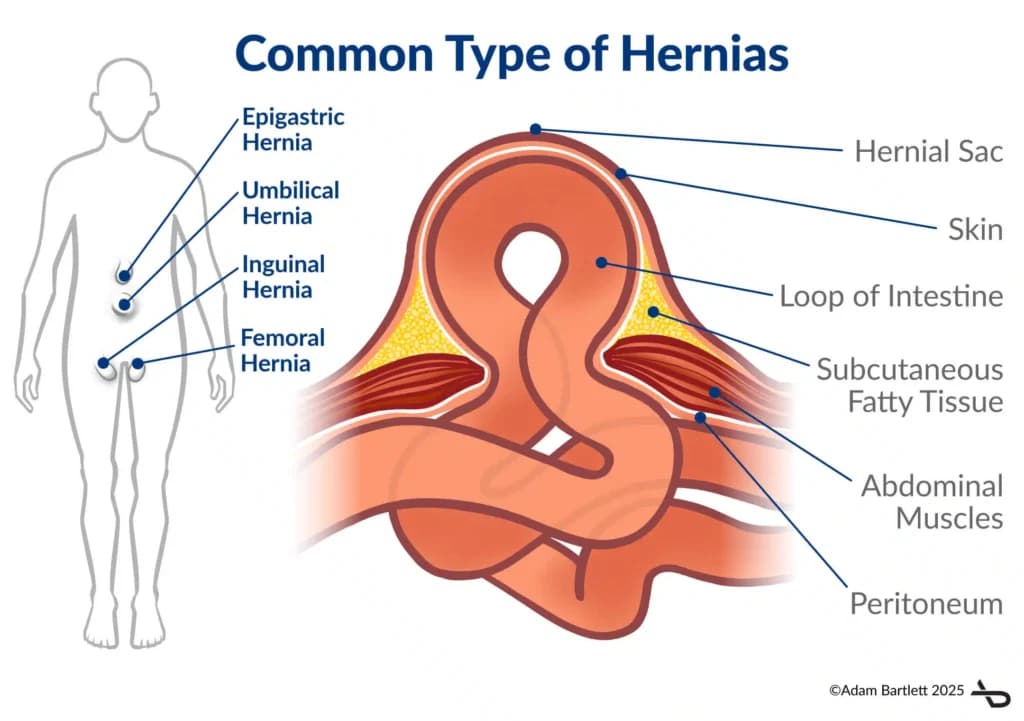
Laparoscopic Hernia Surgery
Laparoscopic surgery may be considered for selected hernias depending on the type, location, size, previous surgery and individual clinical circumstances.
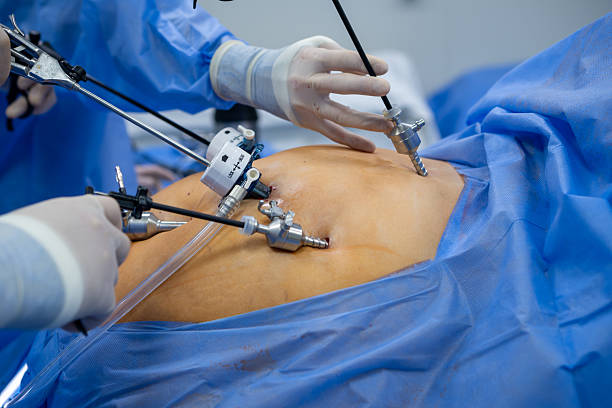
Laparoscopic surgery is a minimally invasive approach used for selected surgical conditions.
Treatment depends on the diagnosis, severity and individual clinical circumstances.
Conditions treated
____________________Laparoscopic surgery may be considered for selected hernias depending on the type, location, size, previous surgery and individual clinical circumstances.
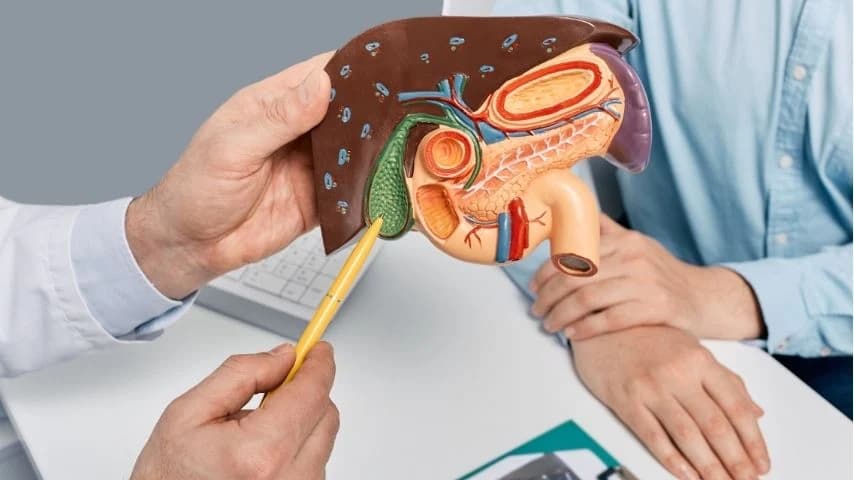
Gallstones causing symptoms or complications may require removal of the gallbladder. Laparoscopic cholecystectomy is a commonly used minimally invasive approach when appropriate.
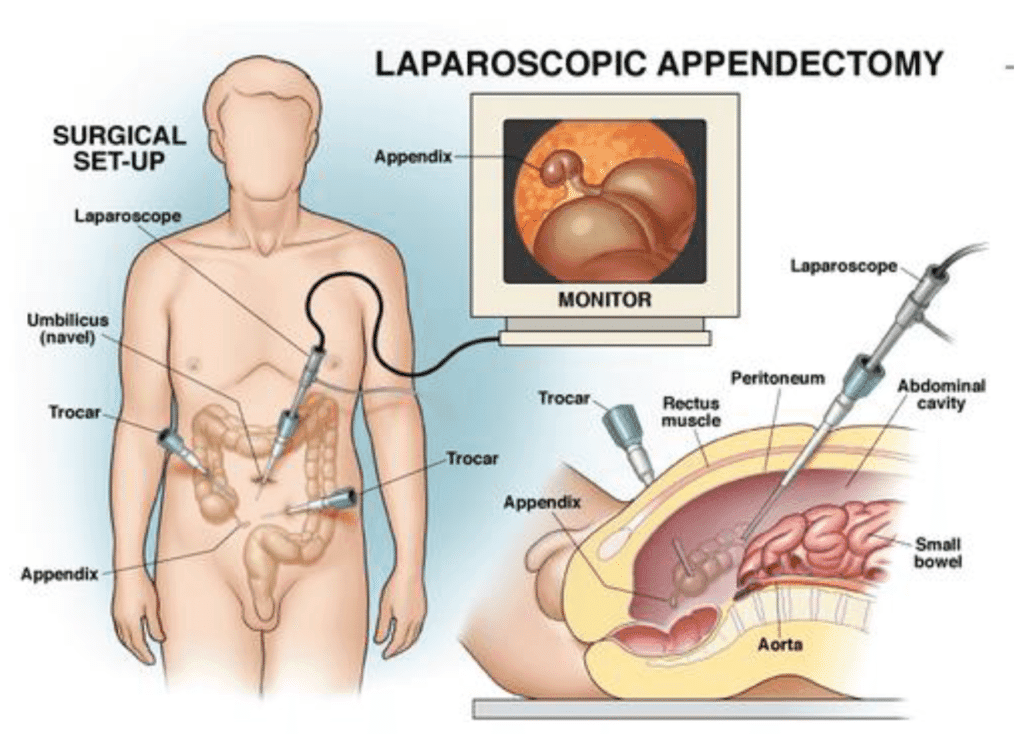
Appendicitis may require surgical treatment depending on the clinical situation. Laparoscopic appendectomy may be considered in appropriate patients.

Minimally invasive techniques may be suitable for selected abdominal and gastrointestinal surgical conditions following clinical assessment and appropriate investigations.
When appropriate for the procedure and patient, laparoscopic surgery may offer certain advantages compared with some open surgical approaches.
Smaller surgical incisions
Less disruption to surrounding tissues in many procedures
Potentially earlier return to routine activities
Camera-assisted visualisation during surgery
FAQ
Laparoscopic surgery is a minimally invasive surgical technique in which a camera and specialised instruments are introduced through small incisions to perform selected surgical procedures.
Laparoscopic techniques may be used for selected conditions such as hernia, gallbladder disease and appendicitis, as well as certain abdominal and gastrointestinal procedures.
No. Suitability depends on the diagnosis, severity of disease, anatomy, previous operations, overall health and other individual clinical factors.
Neither approach is universally better. Laparoscopic surgery may offer advantages in appropriately selected cases, while open surgery may be more suitable in other clinical situations.
Depending on the procedure and individual patient, laparoscopic surgery may involve smaller incisions and may allow an earlier return to routine activities compared with some open procedures.
Recovery varies according to the procedure, the patient's health and whether complications occur. Your surgeon can provide procedure-specific recovery guidance.
In some situations, conversion to open surgery may be necessary if it is considered safer or more appropriate during the operation. The decision depends on the surgical findings and patient's safety.
The consultation generally includes discussion of symptoms and medical history, physical examination, review of investigations and discussion of appropriate treatment options.
NEED SPECIALIST EVALUATION?
Arrange a consultation to discuss your symptoms, diagnosis and whether laparoscopic surgery may be appropriate for you.