GI SURGERY
General Surgery.
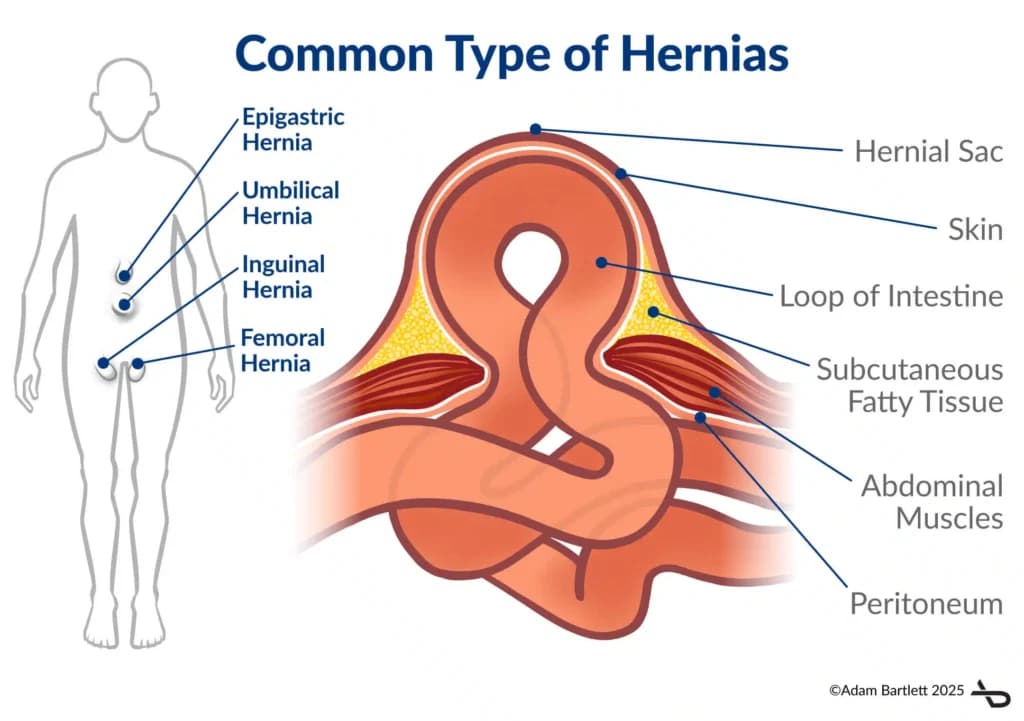
General surgery covers a broad range of conditions involving the abdomen, digestive system, abdominal wall and other surgical problems. The aim is to understand the underlying condition first and then determine whether surgical or non-surgical treatment is appropriate.
HerniaGallbladderAppendixGI Conditions

Evaluation first.
Treatment with purpose.
CONDITIONS & PROCEDURES

Gallbladder & Gallstones
Appendix
Pilonidal Sinus

Bowel Conditions
Other General Surgical Conditions
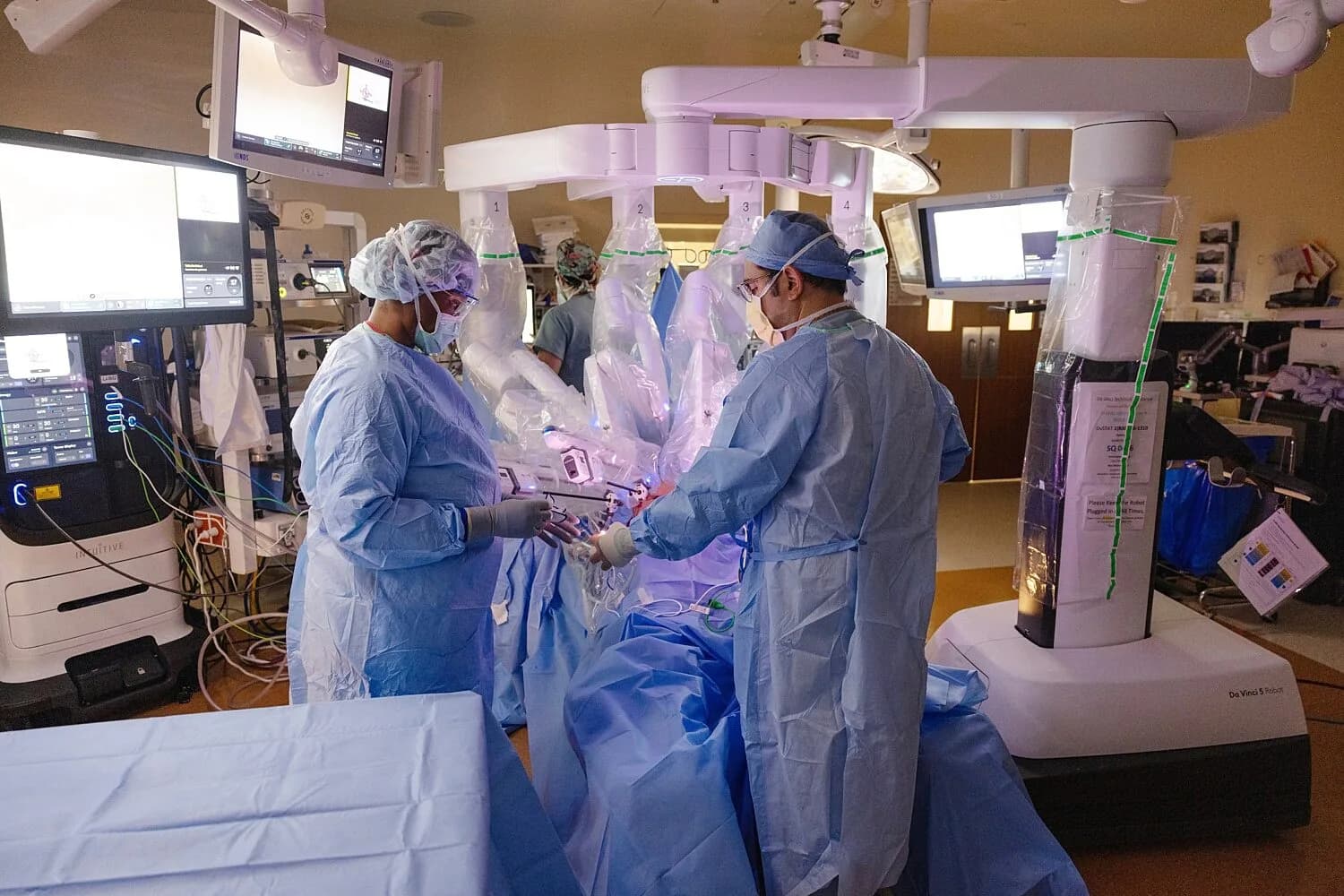
Evaluation and treatment planning for other conditions that may require general surgical intervention.
GENERAL SURGERY FAQ
Common questions answered.
What does general surgery include?+
General surgery covers a broad range of conditions involving areas such as the abdomen, digestive system, abdominal wall and other parts of the body that may require surgical evaluation or treatment.
What conditions does Dr Munesh treat under general surgery?+
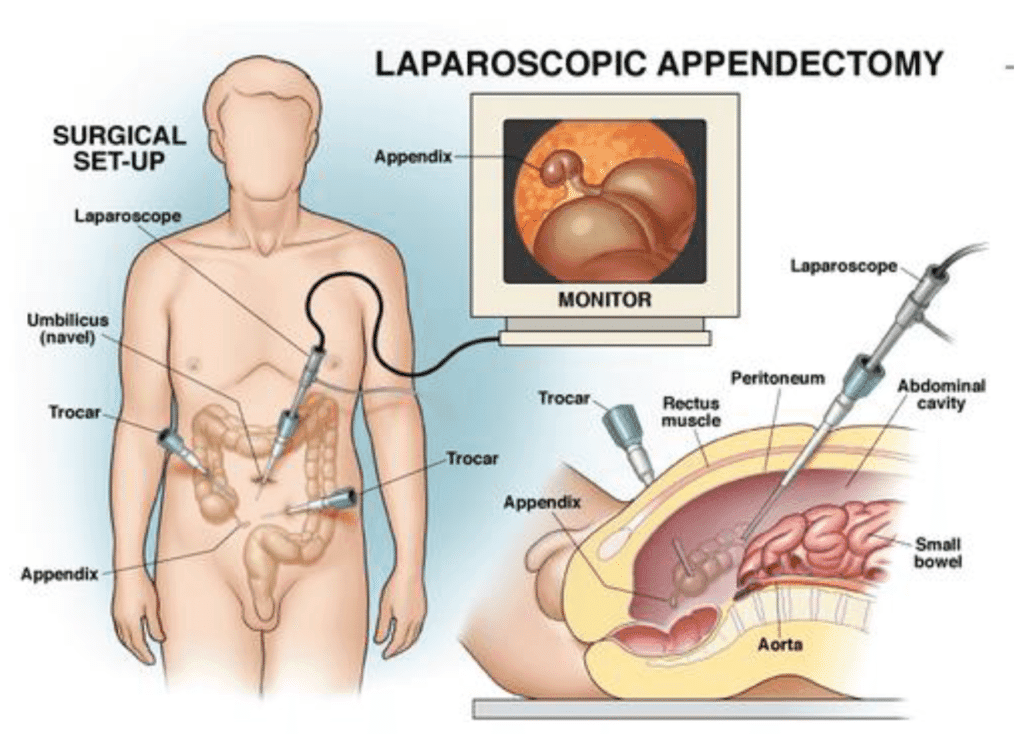
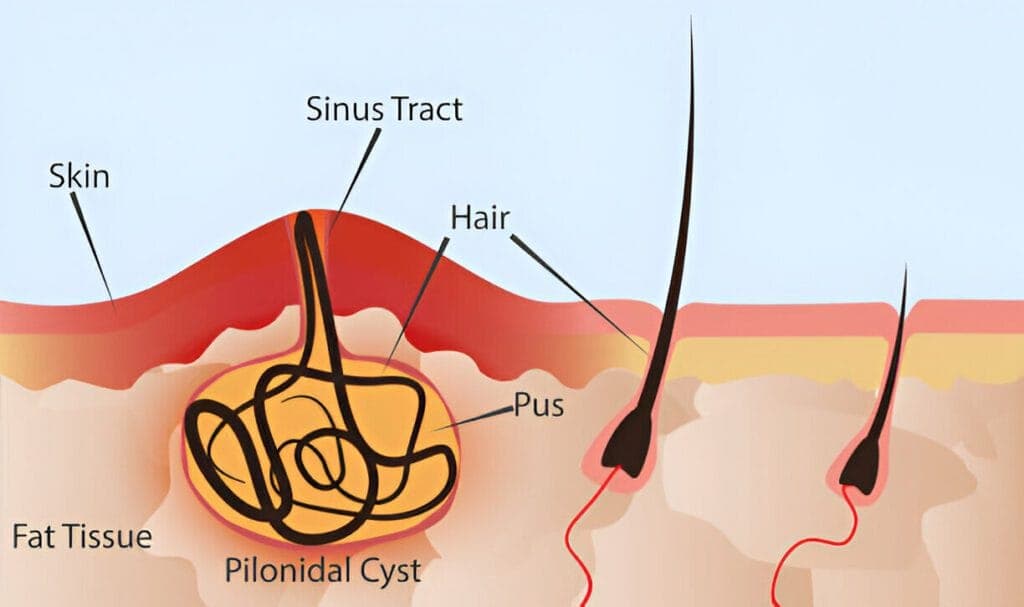
Dr Munesh provides surgical evaluation for conditions including hernia, gallstones and gallbladder disease, appendix-related conditions, pilonidal sinus and selected bowel and GI conditions.
Can hernia surgery be performed laparoscopically?+
Laparoscopic hernia repair may be an option for selected patients. The appropriate surgical technique depends on the type and size of the hernia, previous surgery, overall health and other individual factors.
Is surgery always required for a hernia?+
Not every hernia requires immediate surgery. The decision depends on symptoms, type of hernia, risk of complications and the individual patient's clinical situation.
How are gallstones treated?+
Treatment depends on whether gallstones are causing symptoms or complications. When surgery is indicated, gallbladder removal is commonly performed using a laparoscopic approach when clinically appropriate.
How long does recovery after general surgery take?+
Recovery varies according to the procedure, surgical technique, complexity of the condition and the patient's overall health. The expected recovery period can be discussed during consultation.
What happens during a general surgery consultation?+
The consultation generally includes discussion of your symptoms and medical history, clinical examination and review of relevant reports or scans. Appropriate treatment options can then be discussed.
Can I get a second opinion before surgery?+
Yes. Patients may seek a second opinion before making a decision about surgery, particularly when they want to better understand the diagnosis, available treatment options or recommended procedure.