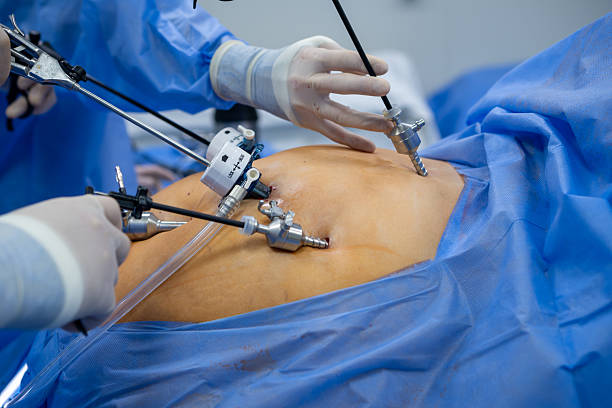
Robotic Hernia Surgery
Robotic-assisted surgery may be considered for selected hernias, including complex or recurrent cases, depending on the patient's anatomy and clinical circumstances.
Robotic-assisted surgery is a specialised minimally invasive approach used for selected procedures.
The appropriate technique depends on the diagnosis, anatomy and individual clinical circumstances.

Condition & Care
__________________Robotic-assisted surgery may be considered for selected hernias, including complex or recurrent cases, depending on the patient's anatomy and clinical circumstances.

Robotic-assisted techniques may be used for selected abdominal procedures where enhanced instrument control and minimally invasive access are clinically appropriate.
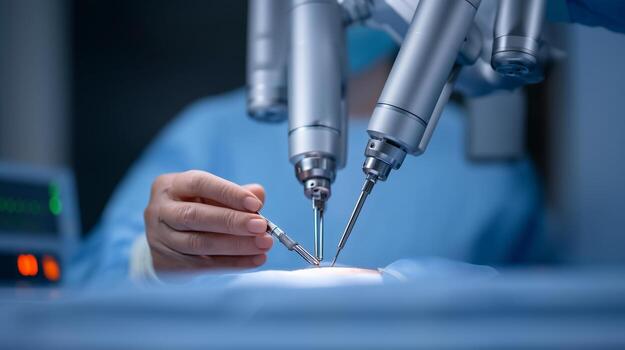
Selected gastrointestinal surgical procedures may be performed using robotic-assisted techniques following appropriate clinical assessment and investigation.
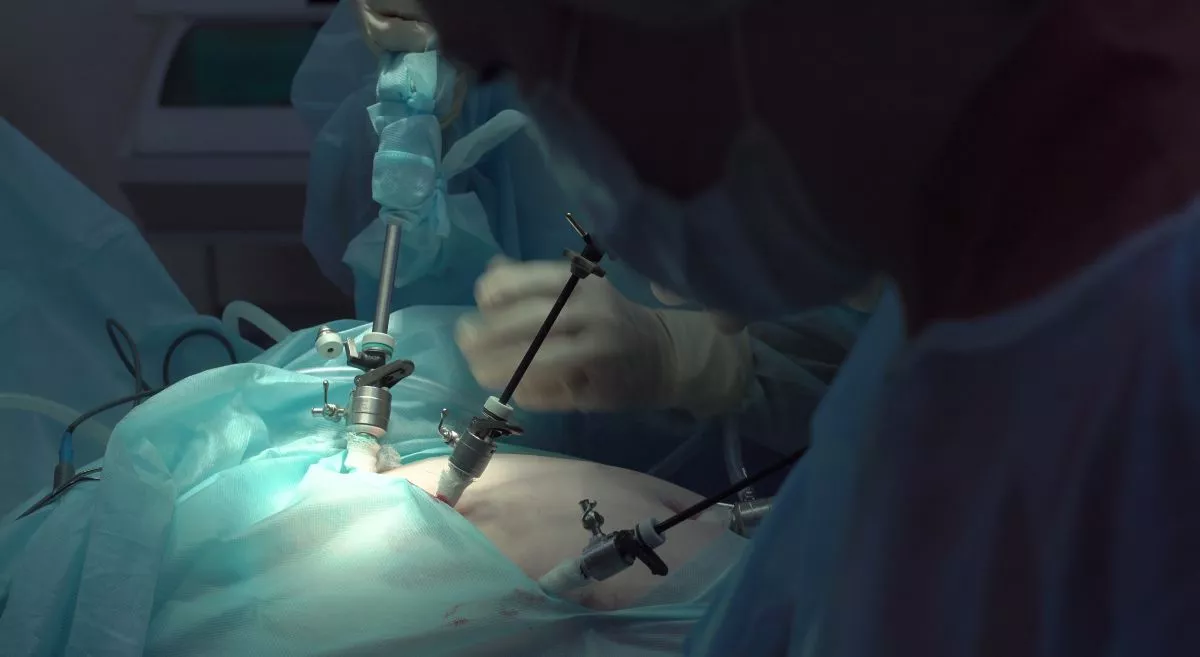
Robotic technology may be considered in selected complex surgical situations where its technical capabilities may be useful to the surgical team.
In appropriately selected procedures, robotic systems may provide technical capabilities that can support minimally invasive surgery.
Enhanced three-dimensional visualisation
Precise control of specialised surgical instruments
Greater range of instrument movement
Minimally invasive access in selected procedures
Potentially smaller surgical incisions
FAQ
Robotic surgery is a form of minimally invasive surgery in which the surgeon controls specialised robotic instruments through a surgical console. The robotic system assists with instrument movement and visualisation during selected procedures.
No. The surgeon remains in control of the operation. The robotic system does not independently perform the surgery; it provides specialised instruments and technology that the surgeon controls.
Robotic techniques may be used for selected hernia, abdominal and gastrointestinal procedures. Suitability depends on the diagnosis, anatomy, complexity and individual clinical circumstances.
In appropriately selected procedures, robotic technology may provide enhanced three-dimensional visualisation, precise instrument control and flexibility of movement. The potential benefits depend on the specific operation and patient.
Not necessarily. Both are minimally invasive approaches, and the most appropriate technique depends on the procedure, surgeon expertise, patient factors and available technology.
No. Robotic surgery is not required or appropriate for every patient. The surgical approach is selected after considering the diagnosis, anatomy, previous operations, overall health and other clinical factors.
Recovery varies according to the type and complexity of the procedure, the patient's overall health and whether any complications occur. Procedure-specific recovery guidance is provided during consultation.
The consultation generally includes discussion of symptoms and medical history, clinical examination, review of investigations and discussion of suitable surgical approaches and their potential benefits and risks.
NEED SPECIALIST EVALUATION ?