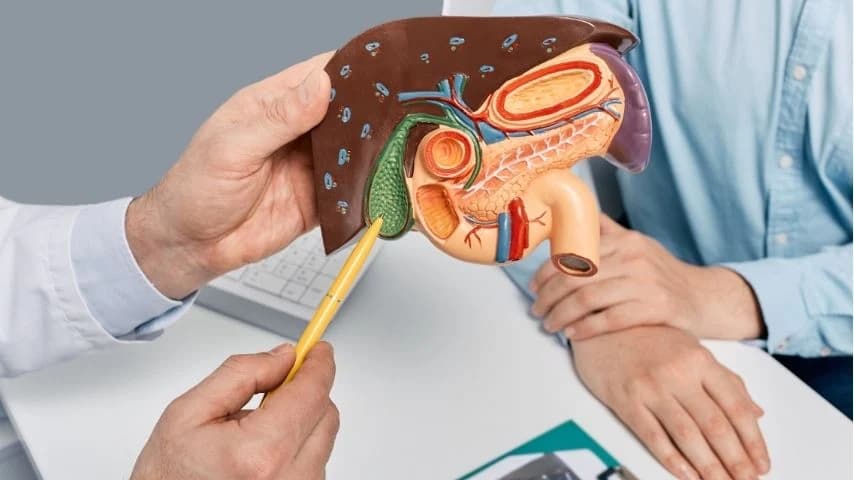
Start with the pattern of pain
Pain after eating is not a diagnosis by itself. A doctor usually looks at the complete pattern rather than one symptom in isolation.
For example, discomfort in the upper abdomen may have a different range of possible causes from pain lower in the abdomen. The timing of symptoms in relation to meals can also be relevant.
- Where exactly is the pain?
- Does it begin immediately or several hours after eating?
- Is it burning, cramping, pressure-like or sharp?
- Does it occur after particular foods?
- Are there associated symptoms such as vomiting, bloating or fever?
When should abdominal pain be assessed?
Occasional mild discomfort may settle on its own, but persistent, recurrent or worsening abdominal pain deserves medical assessment.
Particular attention is warranted when pain is accompanied by significant vomiting, fever, jaundice, blood in the stool, severe tenderness or a sudden change in symptoms.
What may happen during evaluation?
A clinical assessment generally begins with a discussion of symptoms and medical history followed by an examination. Depending on the suspected cause, investigations may be recommended.
The purpose of testing is not simply to find a disease but to distinguish between conditions that may require different approaches.
Key takeaway
The character and pattern of abdominal pain often matter as much as the fact that it occurs after eating. Persistent or concerning symptoms should be assessed rather than repeatedly self-treated.
Medical information
This article is intended for general educational purposes and does not replace an individual medical consultation, diagnosis or treatment plan. Symptoms can have different causes, and medical advice should be based on your individual clinical circumstances.